My 2002 e-mail to the editors of the National
Post, Canada's national newspaper, dragged my observations on the influence
of Edgar Rice Burroughs into a dispute that had been making international
headlines. I received numerous follow-up phone calls from Toronto at my
university office. They requested book cover illustrations and more info
on ERB's stories.
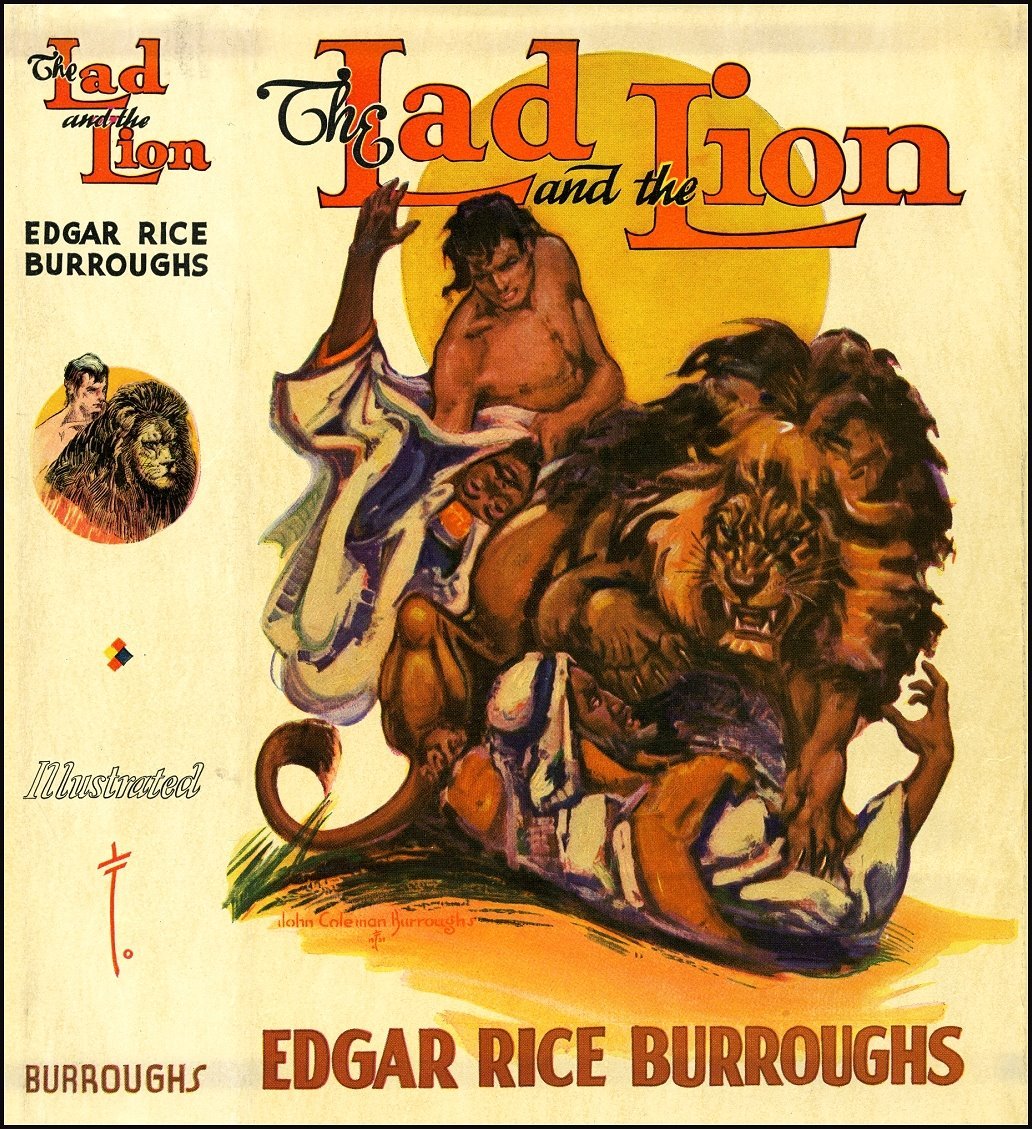
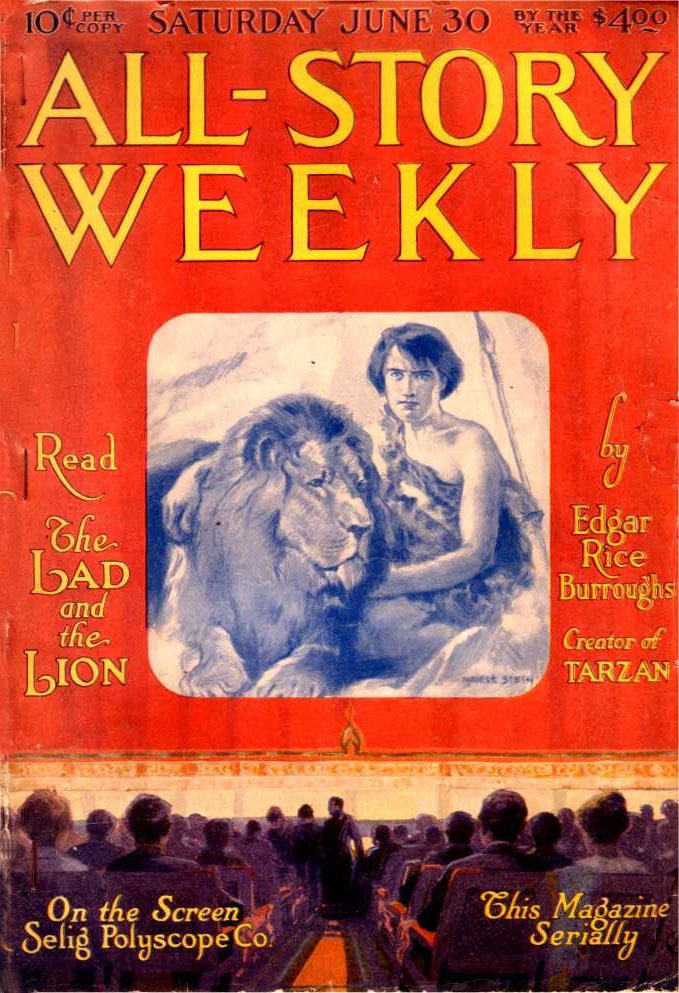
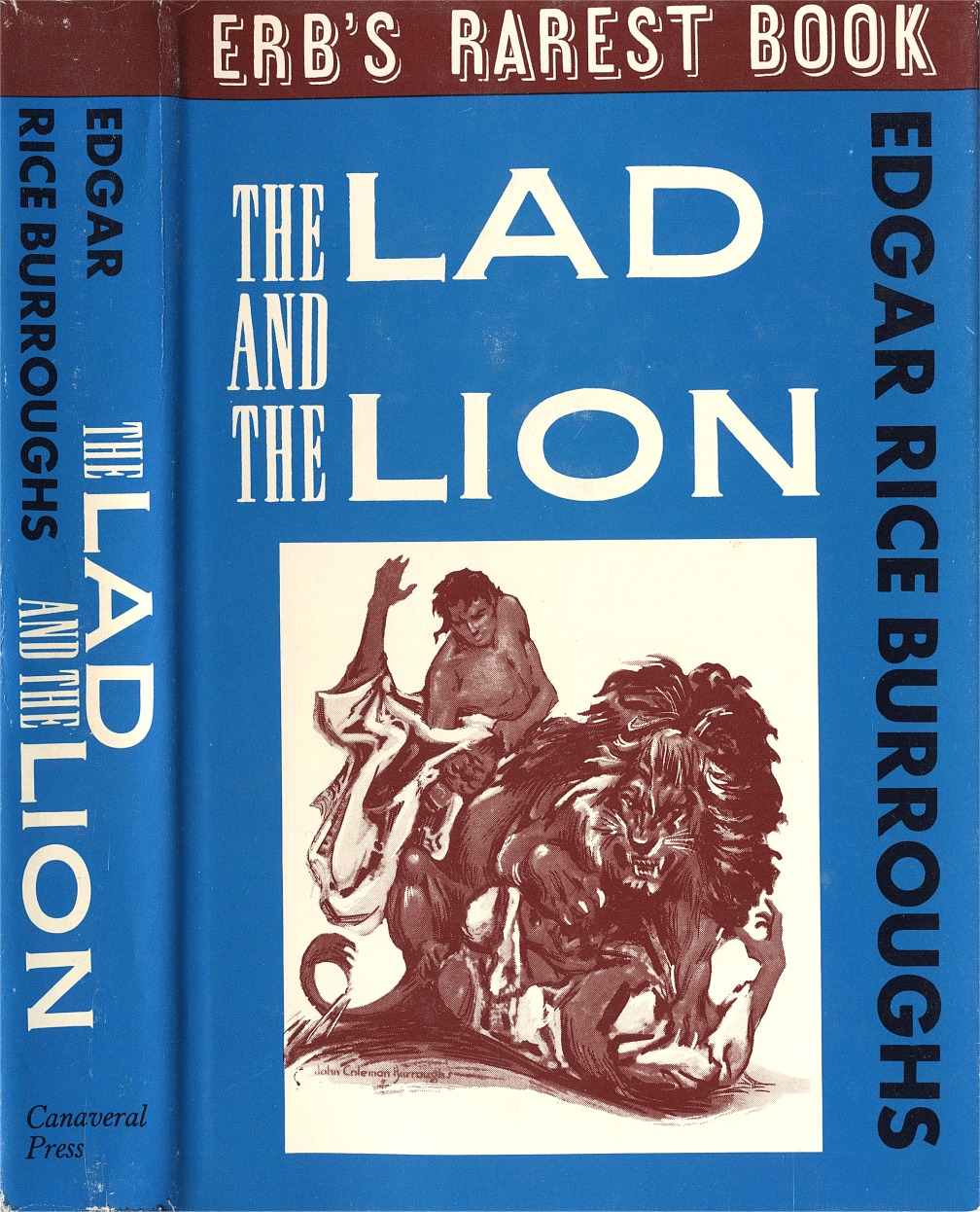
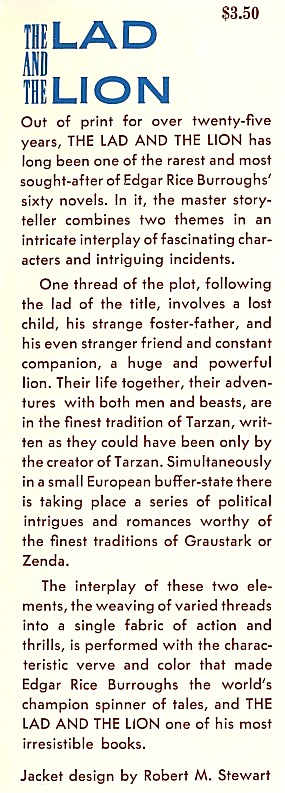
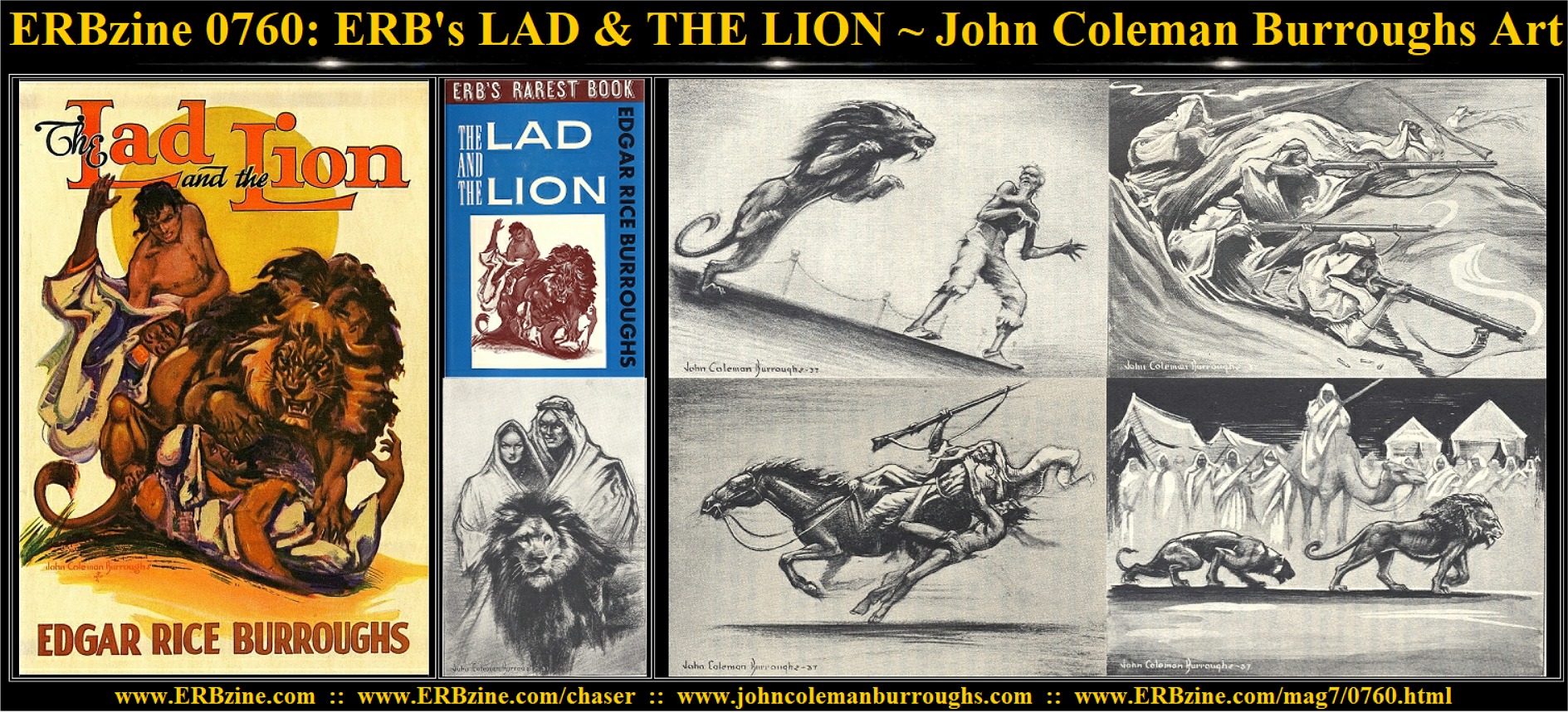
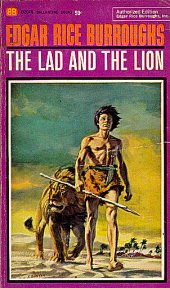
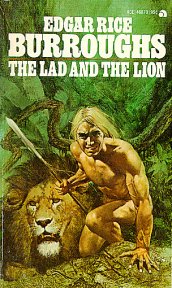
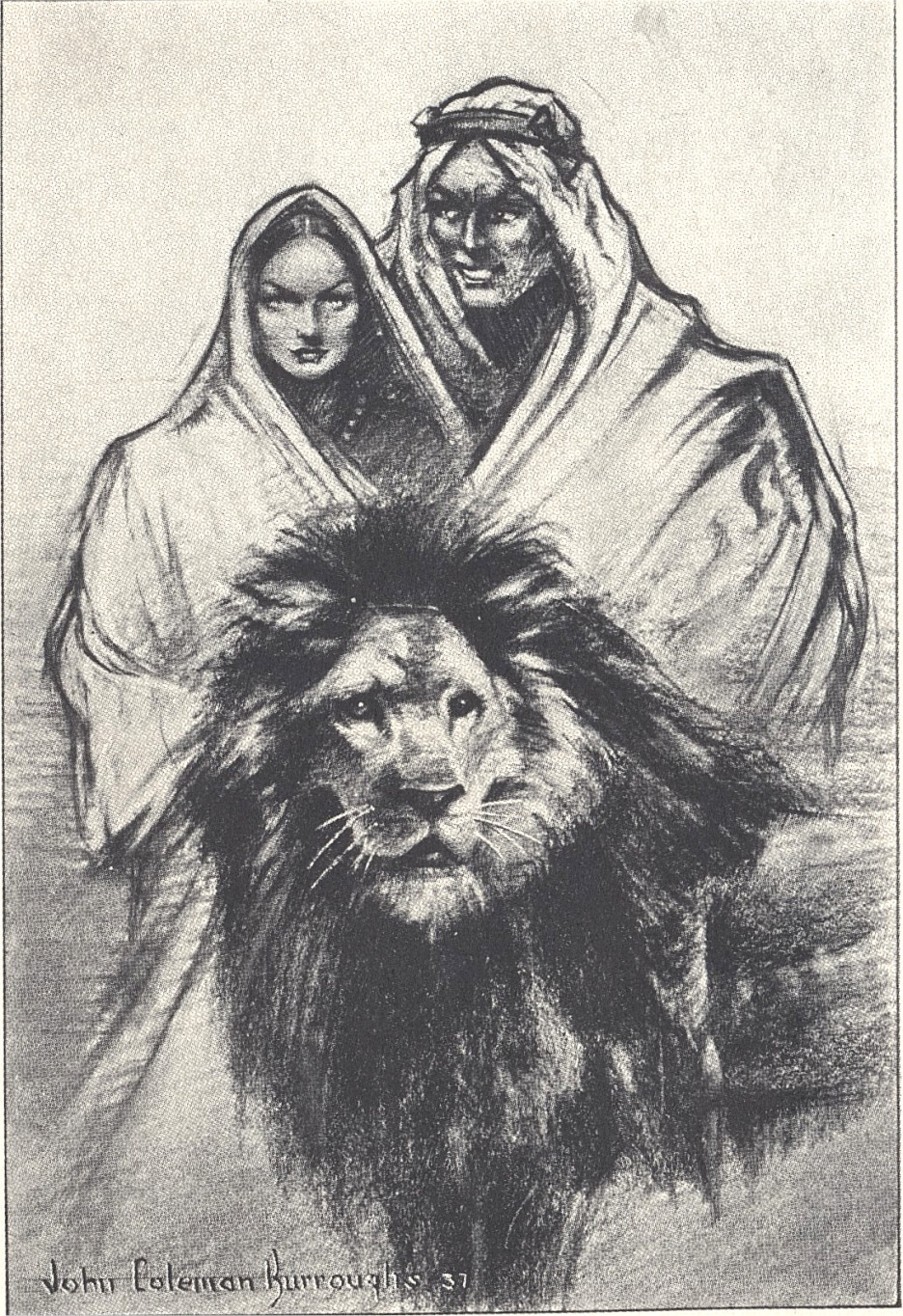
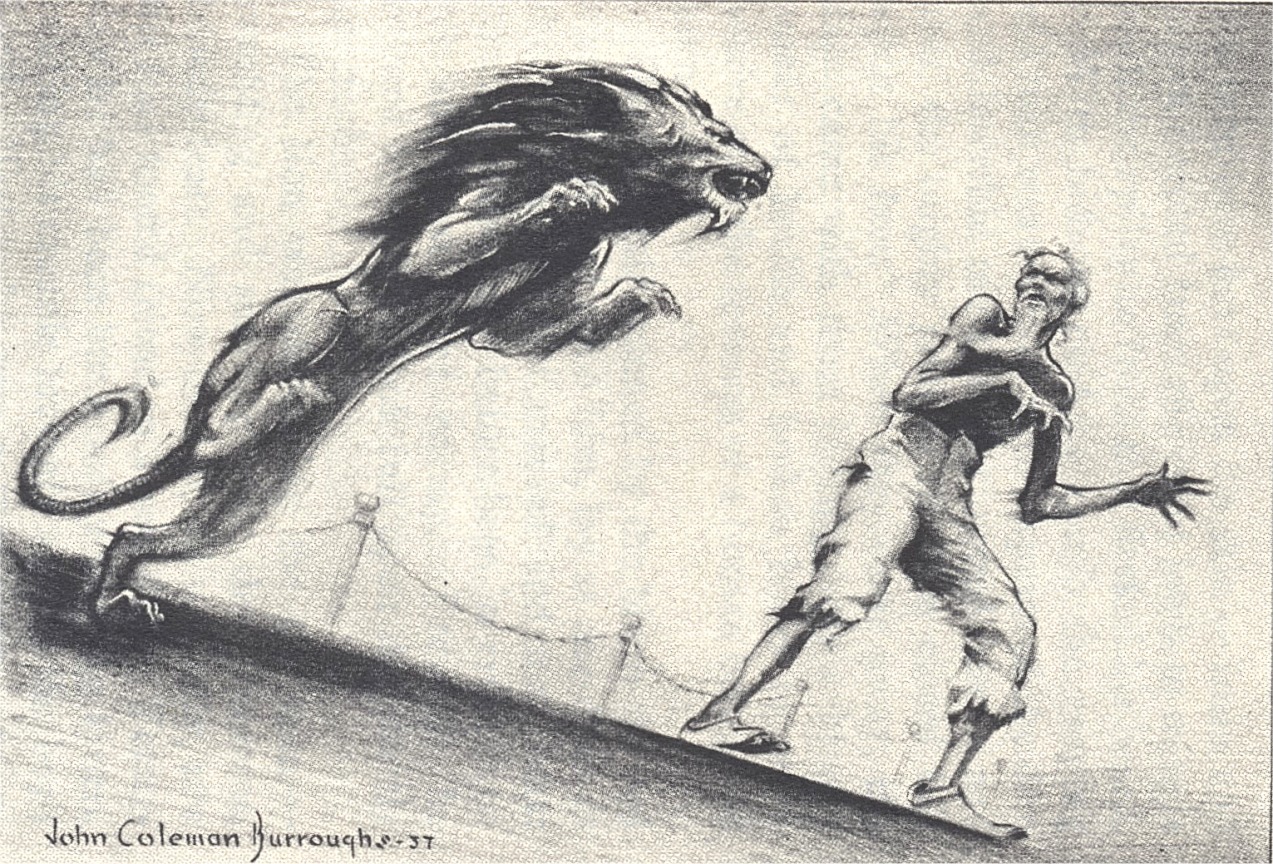
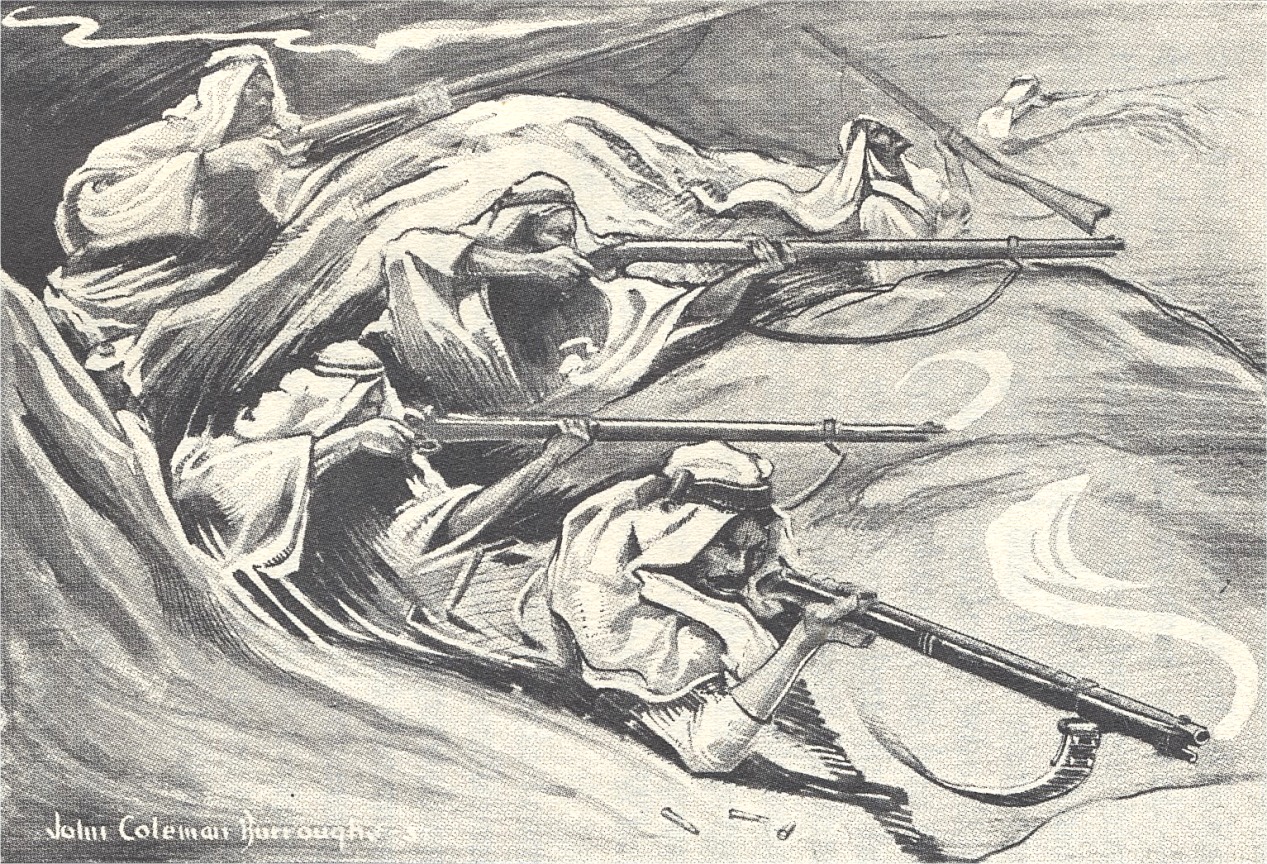
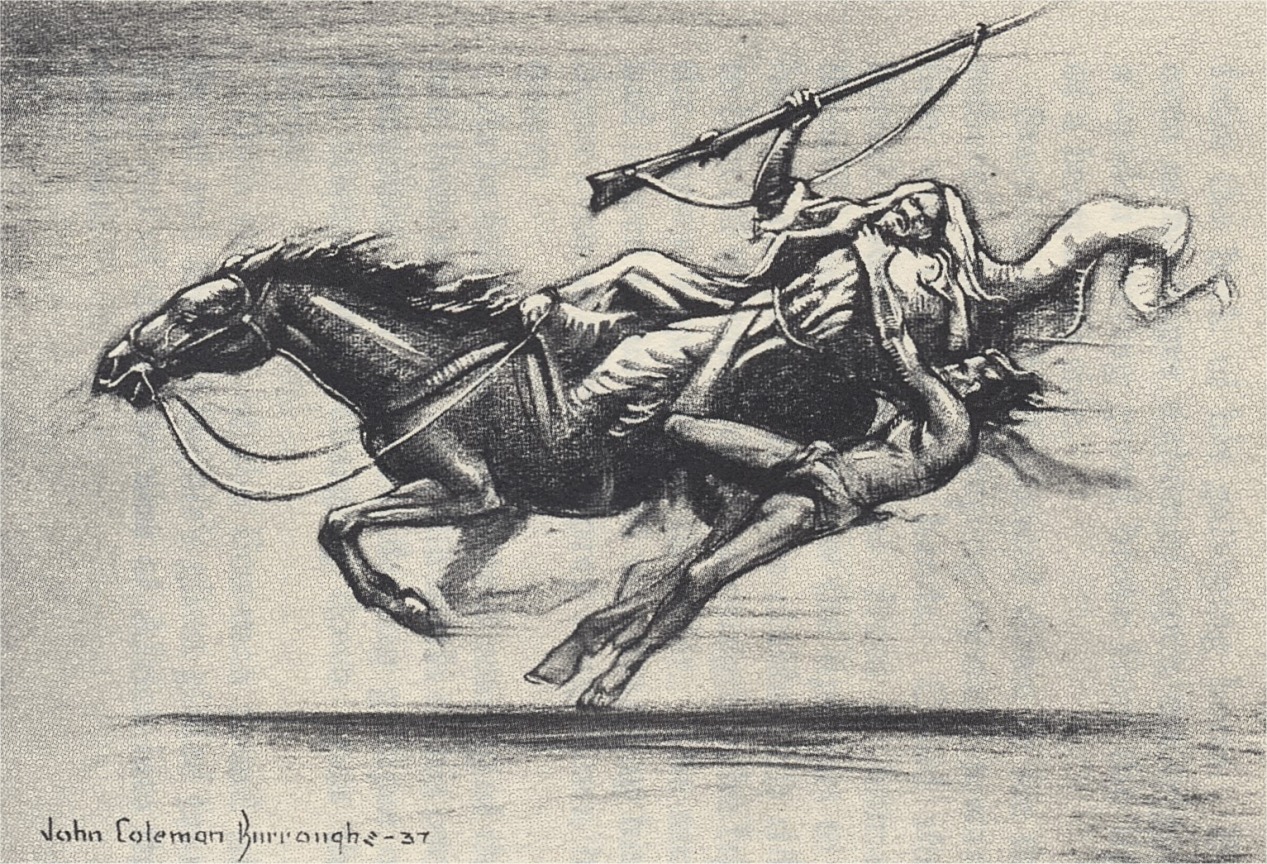
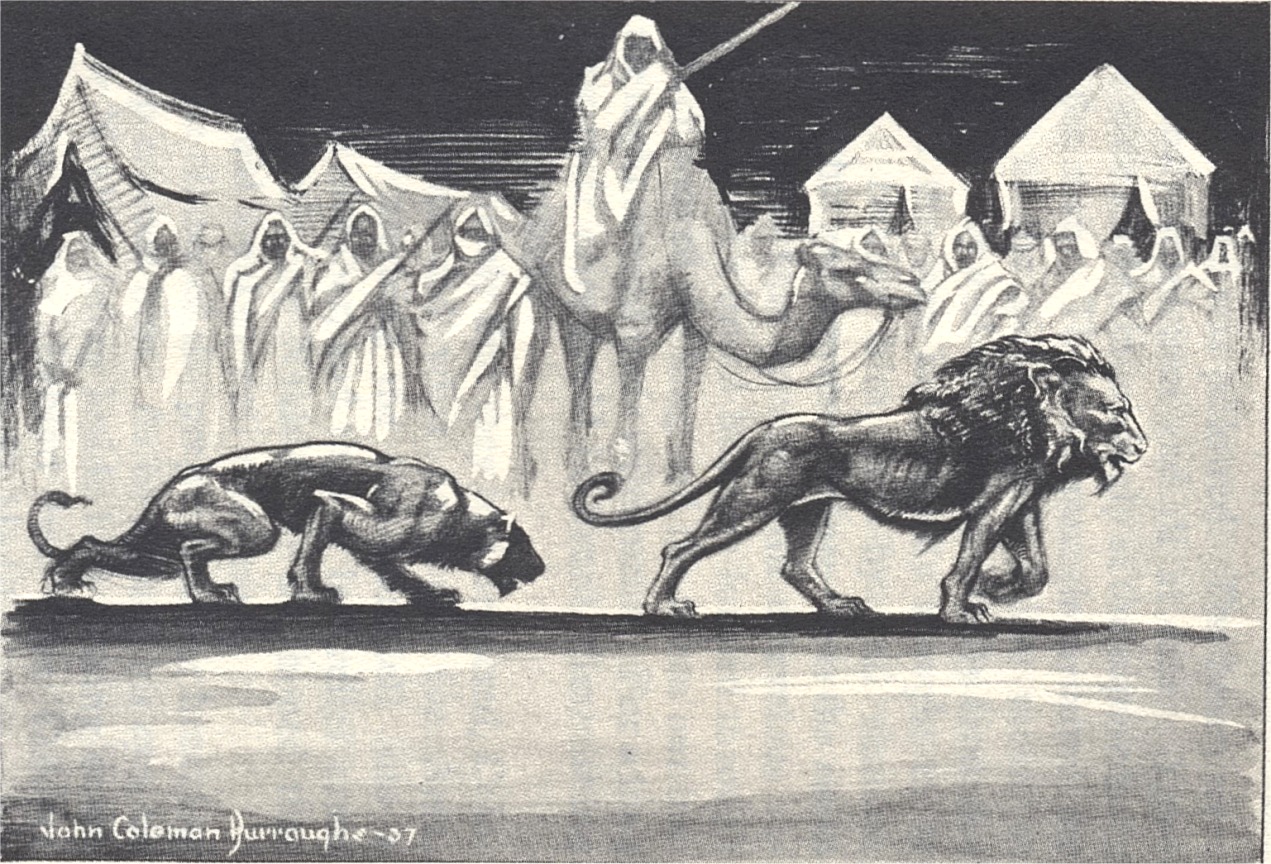
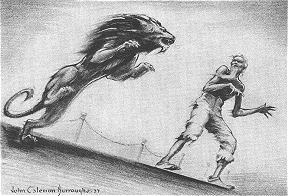
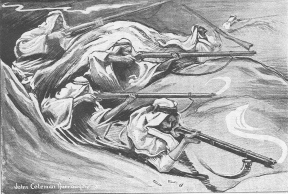
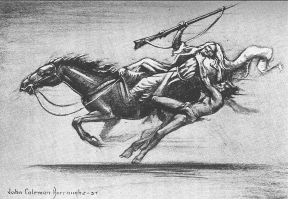
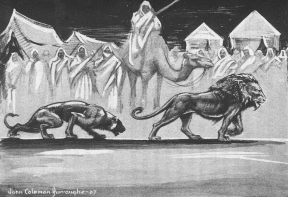
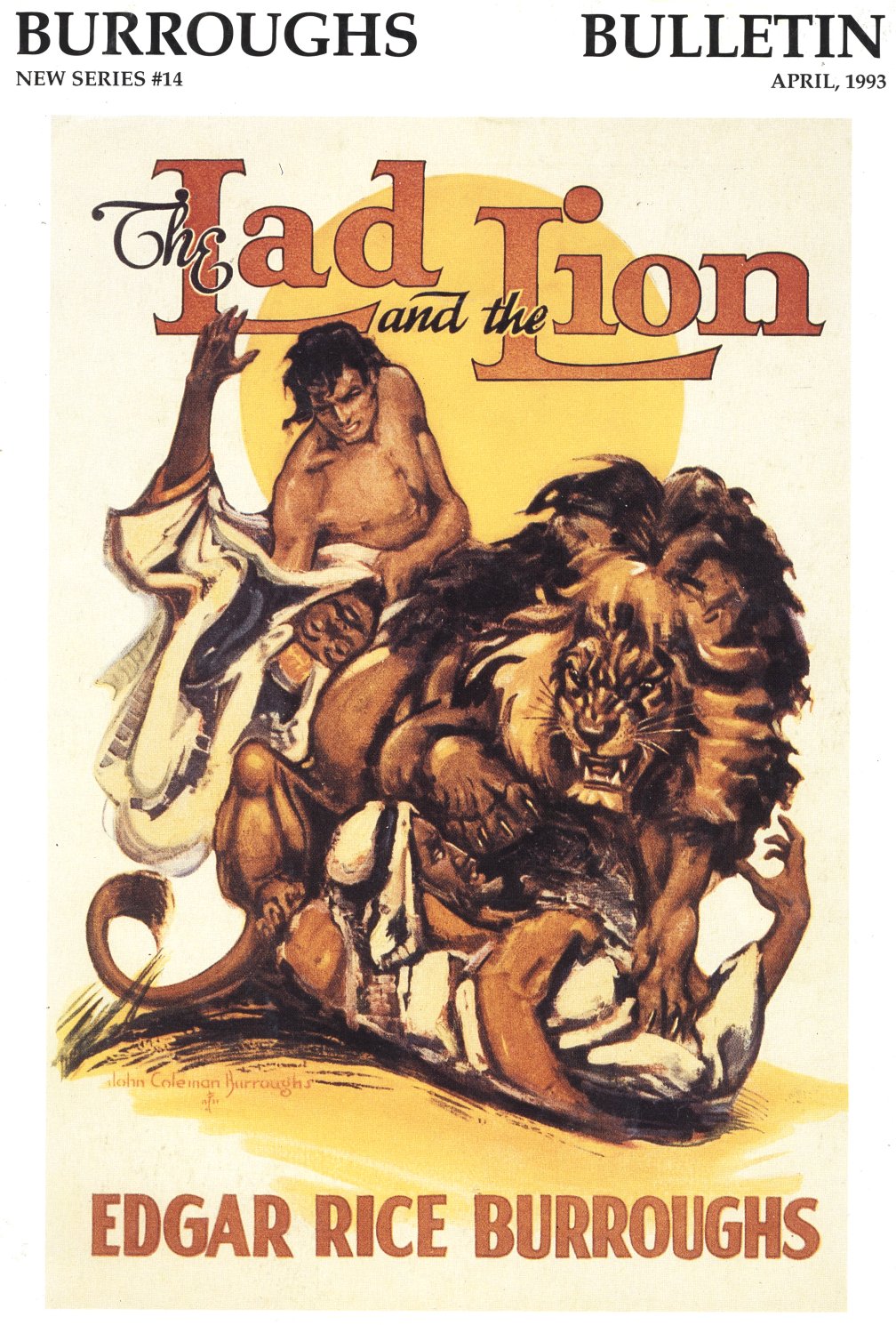
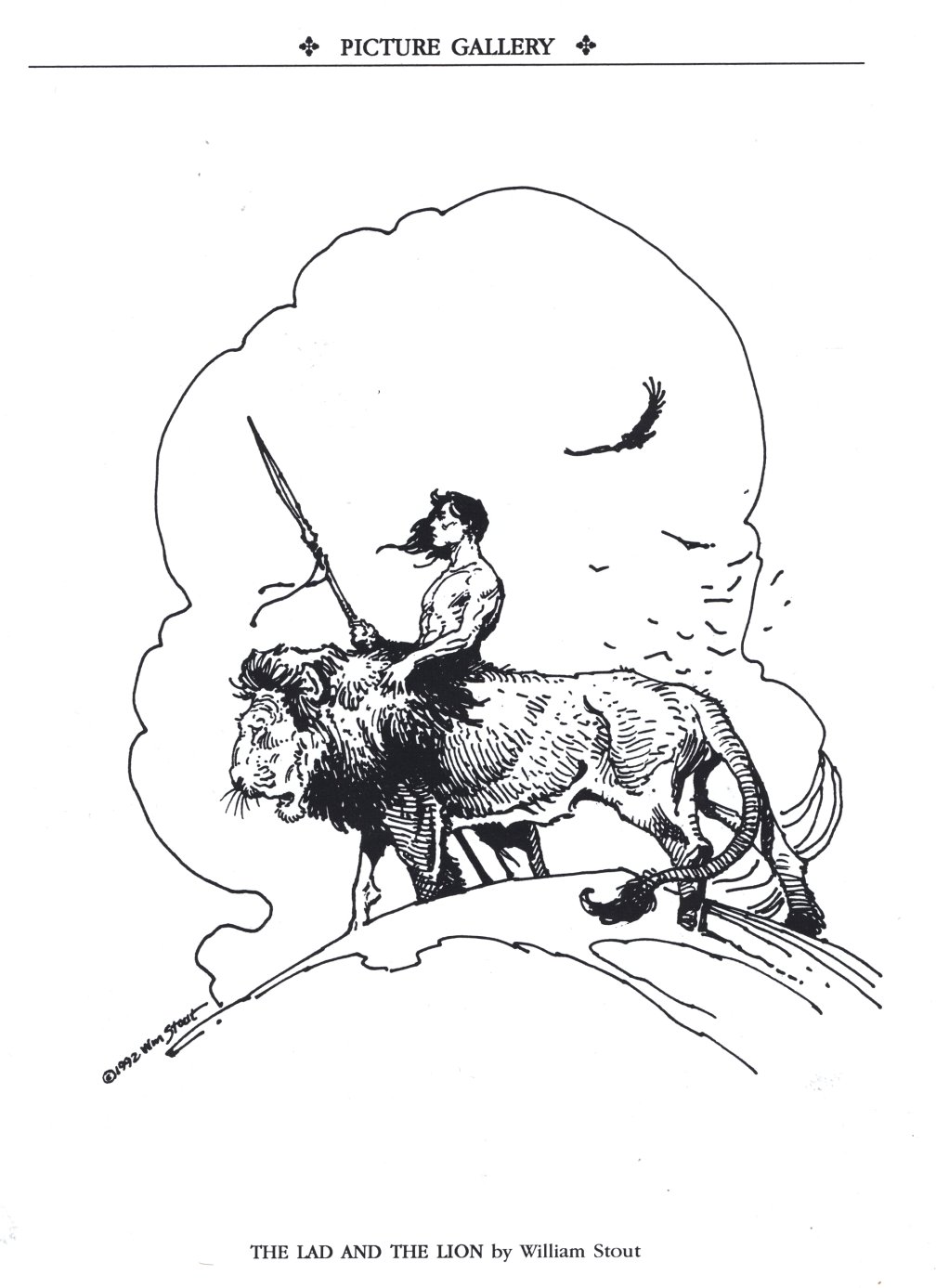
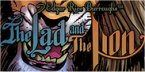
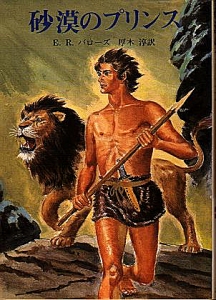
I immediately e-mailed art from The Lad and the
Lion and The Beasts of Tarzan as well as contact information
for George McWhorter - curator for the ERB Memorial Collection in Louisville.
This resulted in a front page story in the Saturday, November 9, 2002 edition
of the Post: The headline:
"Boy and beast on a boat? Oldest idea in the world"
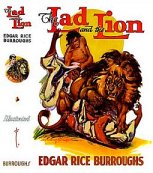
was accompanied by a colour reproduction of John Coleman
Burroughs' dust jacket painting for THE LAD AND THE LION lifted from our
ERB C.H.A.S.E.R. Online Encyclopedia.
The story also went on to quote Bill Hillman of Brandon
Universlty and George McWhorter of the University of Louisville and authorities
on literature and copyright.
Sarah Schmidt ~ National
Post
Saturday, November 09, 2002
http://www.nationalpost.com/home/story.html?id={3A7EE136-A2F5-4457-A00C-AAB6A90F67FB}
"It appears the plot of a boy on a boat
with a beast is nearly a century old."
Fans of Edgar Rice Burroughs are shaking their heads at
Brazilian author Moacyr Scliar's accusation this week that Montreal's Yann
Martel stole the premise from him for his Life of Pi book.
Burroughs, the famed creator of Tarzan, told a similar
story in his
The Lad and the Lion in 1914.
Inspired by archetypal religious imagery of people
cast adrift with animals, most notably in the tale of Noah's Ark, and the
literary tradition of the special bond between child and beast, as in Rudyard
Kipling's The Jungle Book, Burroughs devoted a long chapter of his
book to the boy and the lion drifting for years aboard a derelict boat.
Mr. Scliar's novel Max and the Cats, the story
of a Jewish boy and a panther on a lifeboat, was published in 1981.
Mr. Martel's Life of Pi, the story of an Indian
boy and a tiger on a lifeboat, has won this year's Booker Prize.
Mr. Scliar this week accused Mr. Martel of abusing
his "intellectual property." He mused about taking legal action but then
decided against it.
Besides The Lad and the Lion, Burroughs also
wrote of a man-animal maritime adventure in his 1914 novel The Beasts
of Tarzan. In this story, Tarzan, stranded on an island, survives with
the help of a panther and an ape before the group escapes on a boat.
"It's ridiculous to say you can copyright ideas
in literature. What hasn't been said? What hasn't been recycled?" said
Bill Hillman, a professor of education at Brandon University and a Burroughs
expert. "Certainly Burroughs came up with just about any combination
you could think of with man and beast."
Burroughs, author of more than 20 Tarzan novels, always
maintained that the concept of an original literary idea defied logic.
"Burroughs himself said that there's nothing new under
the sun and the best we can to is put new clothes on old ideas," said George
McWhorter, curator of the Burroughs Memorial Collection at the University
of Louisville.
His own blunt admission did not stop the accusations
of plagiarism levelled against Burroughs, whose Tarzan books have
been translated into more than 50 languages, have sold more than
20 million copies and have served as the basis for many movies.
Some of his contemporaries accused him of "stealing
from Romulus and Kipling,'' Dr. McWhorter said.
"I guess we should also accuse Kipling of copying Romulus,"
Dr. McWhorter added mockingly.
Mowgli, Kipling's central character in The Jungle
Book, written in 1894, was raised in the wild by wolves, just
like the legendary founders of Rome, Romulus and Remus, who myth says were
abandoned as infants and saved by a female wolf.
Marcus Boon, a professor of contemporary literature
at York University in Toronto, said the spiral of accusations illustrates
the absurdity of laying claim to an original idea in literature.
"These are sort of fundamental images and narratives
within human culture," Dr. Boon said of the image of a person cast adrift
with animals.
Dr. Boon said examples of the "ubiquity of the man-animals-raft
image" in literature and film include French author Alfred Jarry's Exploits
and Opinions of Dr. Faustroll, Pataphysician (1898). The story ends
with the main character sailing away in a boat with a chattering ape.
Werner Herzog's 1972 classic movie Aguirre: Wrath
of God, which tells the story of a 16th-century expedition in Latin America,
ends with the main character on a boat with monkeys.
As is common in the literary world, Mr. Martel disclosed
long ago that he was inspired by Mr. Scliar's plot in Max and the Cats,
translated into English in 1990. "Books are constantly referencing
other books," Dr. Boon said. "I'm sure Scliar's book has resonance with
other books."
Carys Craig, a copyright specialist at Osgoode Hall
Law School in Toronto, said the law accepts this long-standing practice.
"It's essential that people be free to develop upon
and free to share ideas -- and that's a goal of copyright law....
* * *
For the rest of the story see: http://www.nationalpost.com/home/story.html?id={3A7EE136-A2F5-4457-A00C-AAB6A90F67FB}
THE FRONTPAGE STORY GENERATED BY OUR ERB PROMOTION
PROMPTED THIS FOLLOW-UP STORY IN THE OTTAWA CITIZEN
AND NATIONAL POST
Catch a tiger by the tale
Boys and beasts were storied long before the latest
literary dust-up
http://www.canada.com/ottawa/ottawacitizen/story.asp?id={FBA658CF-888D-4406-B654-3244DB9A1E65}
Paul Gessell
The Ottawa Citizen
Tuesday, November 12, 2002